Best Books of 2025 – Chapter 3
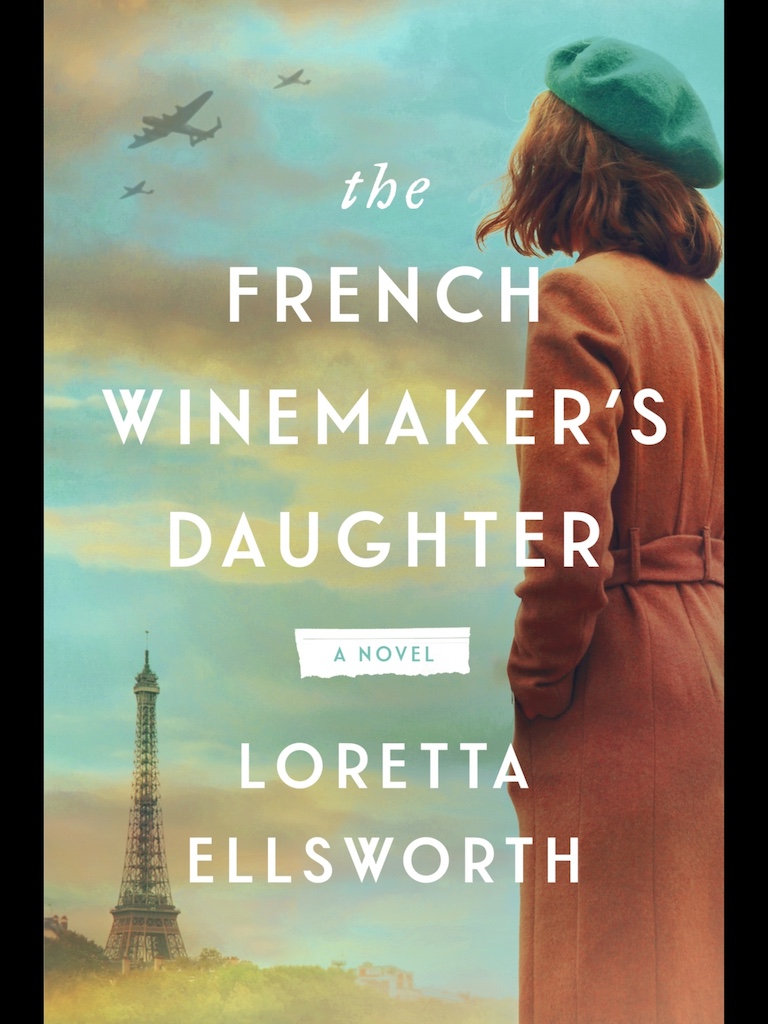
Having previously read a few years ago a most enjoyable novel about a family winery (Eight Hundred Grapes by Laura Dave), this title, The French Winemaker’s Daughter by Loretta Ellsworth naturally caught my eye. Reading the brief synopsis, it sounded intriguing. And in spite of the overused book cover art of a female viewed from behind with war planes circling overhead, I decided to take the plunge.
This is another dual timeline story (I really enjoy those) first set in France during WWI and then in 1990, nearly fifty years later. In this book there is more than one female protagonist. The young Jewish daughter, Martine, is hidden by her winemaker father before the Germans come to take him away. Before putting her in hiding, he gives her a bottle of wine for safe keeping. After a harrowing escape to Paris in which Martine sadly loses the wine bottle, she is taken in by Sister Ada and relocated to her abbey for safe keeping during the war.
In 1990, Charlotte, an American airline pilot, who happens to be the granddaughter of a California winemaker, comes into possession of a seemingly worthless bottle of wine which upon cleaning the label, makes a shocking discovery that leads her on a mission to discover its origin.
Alternating between the two timelines, each women’s story progressively unfolds revealing mysteries but also similarities of both women. Along the way, both females discover true love. As the book approaches its climax, a most unbelievable revelation is made.
Just like the last book I reviewed in my previous week’s post, this one was also a very fun read and one that I think you will enjoy as well.
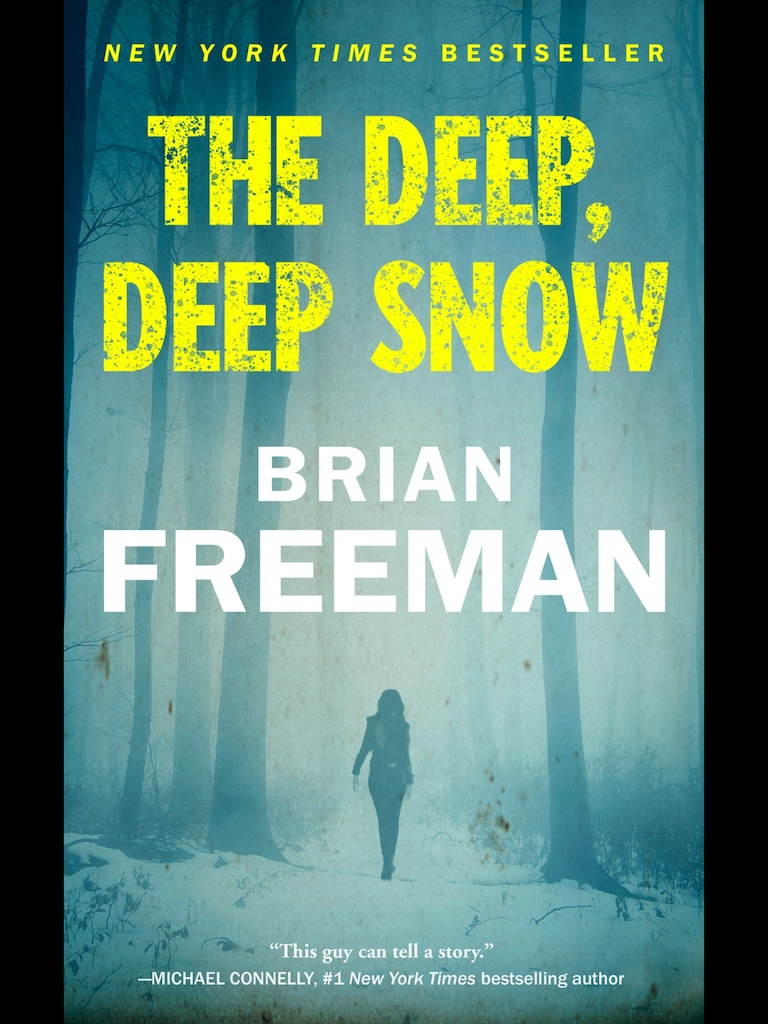
Over the last few years, I have read and enjoyed several books recently published by Brian Freeman, so I decided this year to seek out one of his older books. Little did I know in choosing this one, The Deep, Deep Snow, that it would make my “best of” list. But indeed, it did for good reason.
On a warm summer day in a very small mid-northwestern town, one of those towns where everyone knows everyone as well as what everyone does, a 10-year-old boy mysteriously disappears. A sheriff and his daughter (a deputy), try to locate him before the FBI comes in to take over the case. A number of puzzling clues emerge during the investigation, but none that leads to the boy’s discovery. Once the FBI departs, the case remains open, another unsolved cold case.
Ten years later, a new clue to the boy’s disappearance is uncovered that brings the FBI back into town for more investigative work. The FBI and the sheriff’s daughter pursue new lines of inquiry based on that clue. As this twosome unearths additional clues, the case is blown open with the most surprising and unexpected conclusion. You will not see it coming and if you are like me, upon finishing reading, you will have thoroughly enjoyed this book and likely seek out other Brian Freeman books.
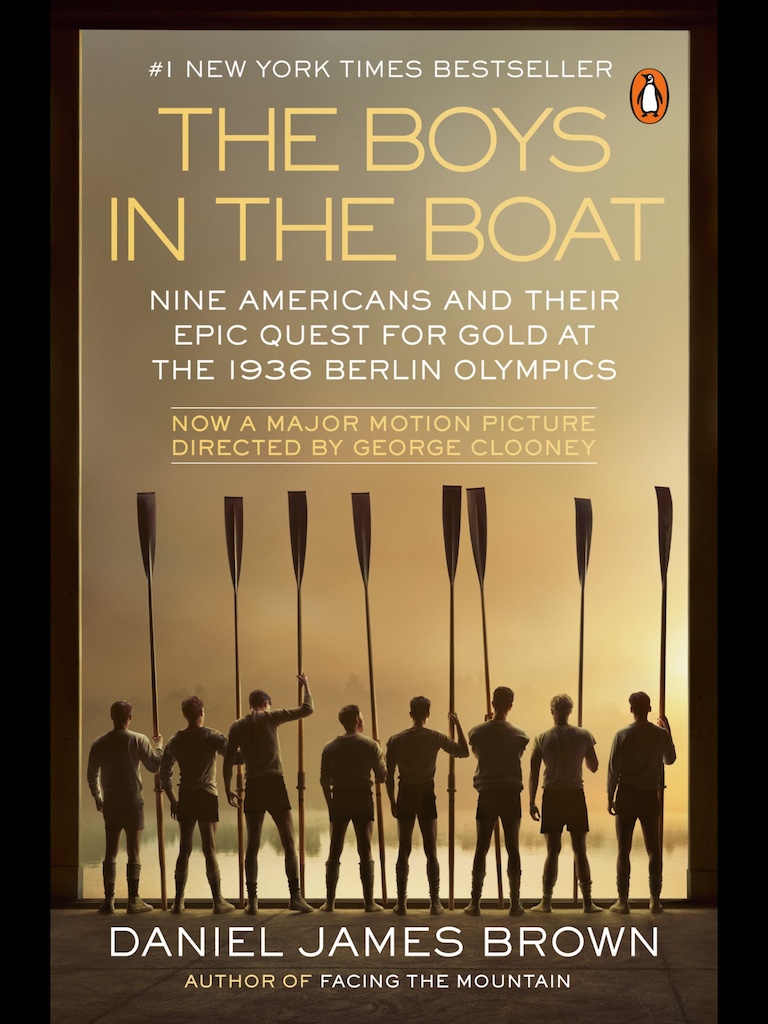
With so many great books out there for me still to read and with me being such a slow reader, it is quite rare for me to go back and re-read a book. However, last year, my wife and I went to see the movie The Boys in the Boat, and it motivated me to want to go back and do just that. Which also makes the first time the same book has made my “Best of” list more than once. But this is such a great book and such an inspirational story!
With now the national publicity of the movie, it is more likely that you are familiar with this true story about a group of young men who rowed for the University of Washington (UW often pronounced U-dub) in the 1930s and competed for a gold medal during the 1936 Olympics held in Berlin, Germany. Brown does an excellent job of interweaving the Olympic preparations and propaganda activities in Berlin with the grueling training that the boys had to endure to make the trip there. And the accounting of the races that they participated in along the way.
Just as the first time I read this book and even though I knew the outcome, I found my heart rate accelerating as I read the intricate details of each competitive race. Year after year leading up to 1936, UW’s biggest competitor was another west coast school, the University of California, Berkeley (Cal), a school that had won Olympic gold in 1928 and 1932. But one of UW’s advantages they enjoyed was the onsite master craftsman of the racing boats, called “shells” that UW used.
Brown also tells the story of the personal and financial hardships most of the rowers had to overcome just to remain in school during that terrible depression era. Interspersed throughout with historical photos, by the end of the book, you will know these boys well and cheer in their accomplishments. And in the Epilogue, you will learn of their lives after graduating, and sadly their deaths.
While I cannot recommend enough everyone reading this book, I must admit this story also resonates with me on a personal level as my daughter and son-in-law both got their doctorates from Cal and now live in Seattle where my son-in-law is on faculty at UW. Although all the boys are gone now, one legacy remains—the 62-foot-long wooden shell they rowed in during the Olympics. And my daughter has even gotten to see it on campus, something I hope to get to do on one of my future visits.
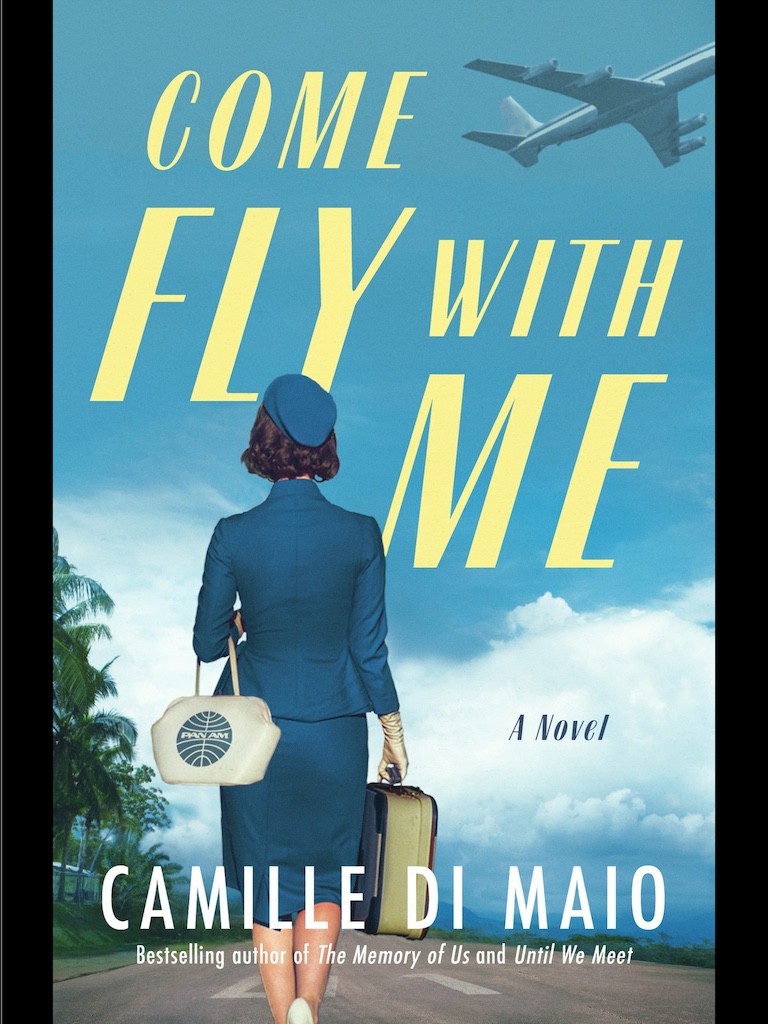
I have read many books about the airline industry so when I ran across this book by Camille Di Maio, its cover prompted me to pause and learn more about it. Having read those books written almost exclusively from the male perspective, I thought it would be interesting to read one from the female’s point of view. And the title Come Fly with Me reminded me of that great Frank Sinatra song, which as it turns out, factors heavily in the book.
In the 1960s, Pan American Airlines (Pan AM) flew exclusively international flights and so it was quite an accomplishment to secure one of their coveted stewardess jobs, thus being able to jet off to many interesting and exotic locations. This story tells of two young women from completely different backgrounds who both need to escape their lives, one from an abusive husband, the other from New York high society. In 1962, the two meet initially in New York during the interview process and quickly become friends once they are selected during their training. As they master the skills necessary to be proficient in their jobs, they grow closer with common goals and promises for a long-term friendship. And along the way they each find love.
The chapters alternate being told from the perspective of each of the two women with an occasional current day update of how they achieved their goals. But early on in the current day story, there is a surprise that would be a spoiler to say more. I was way too young to fly in those glory jet-age days of the 1960s but this book gave me a very enjoyable glimpse into what it would have been like.
To be continued…
Categories

 onecreativescientist
David, all of these books sound intriguing to me. I did read a juvenile version of “The Boys in the Boat” years ago. My daughter was rowing at the time, and she (I think) recommended the juvenile version of this book. I really enjoyed it; although, the level of detail in the “adult” version sounds like it would be worth reading. Thanks again for these posts!
You’re welcome! It’s not often I read a book twice but that one was well worth it.